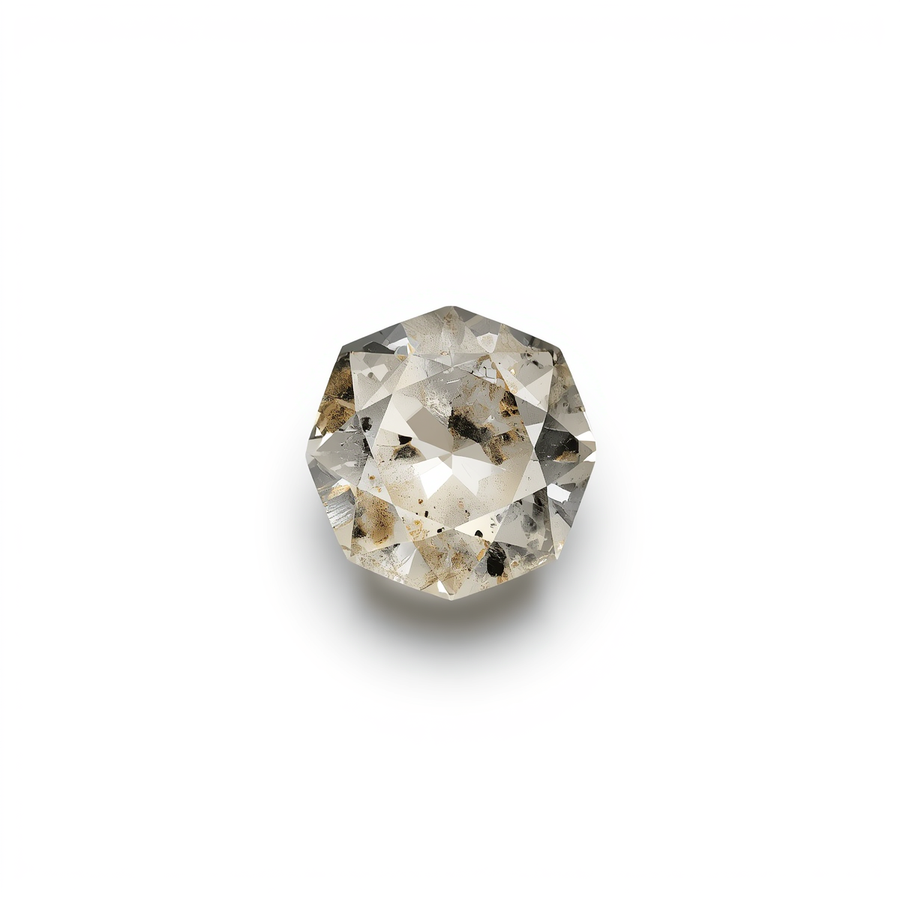
4CS
The quality and beauty of a diamond are evaluated through the internationally recognized standard known as the 4Cs
DIMONDS STORIES
Our journey began with a simple yet powerful vision - to redefine the way of diamonds stories.
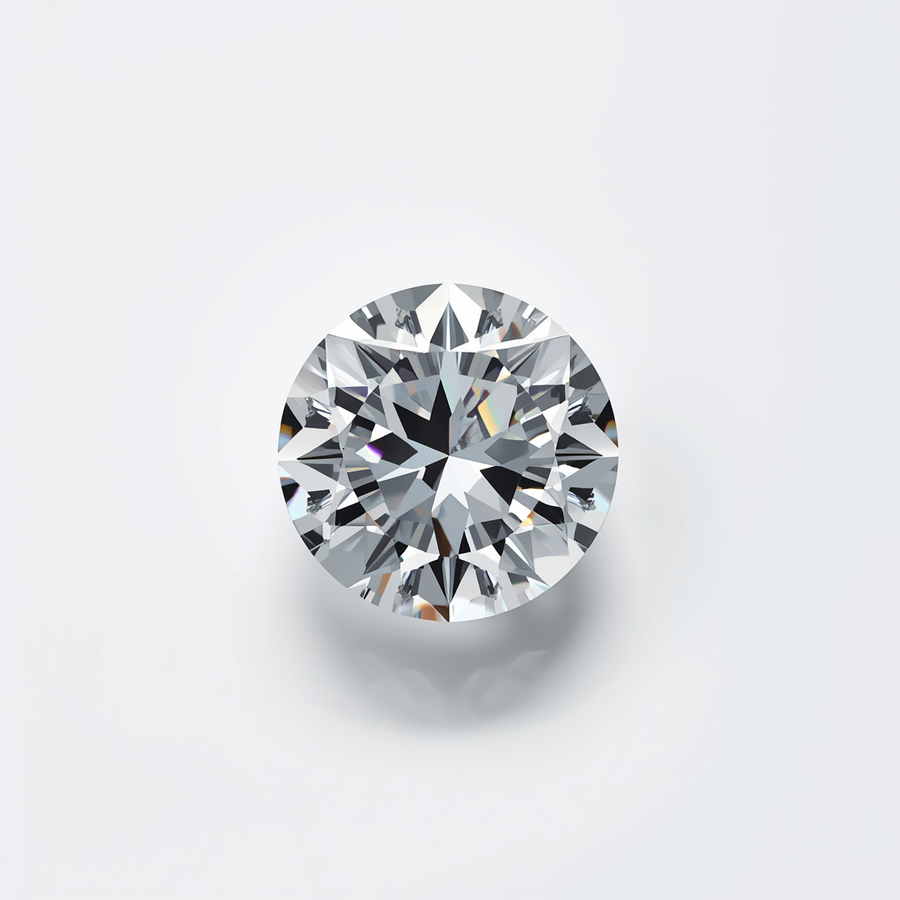
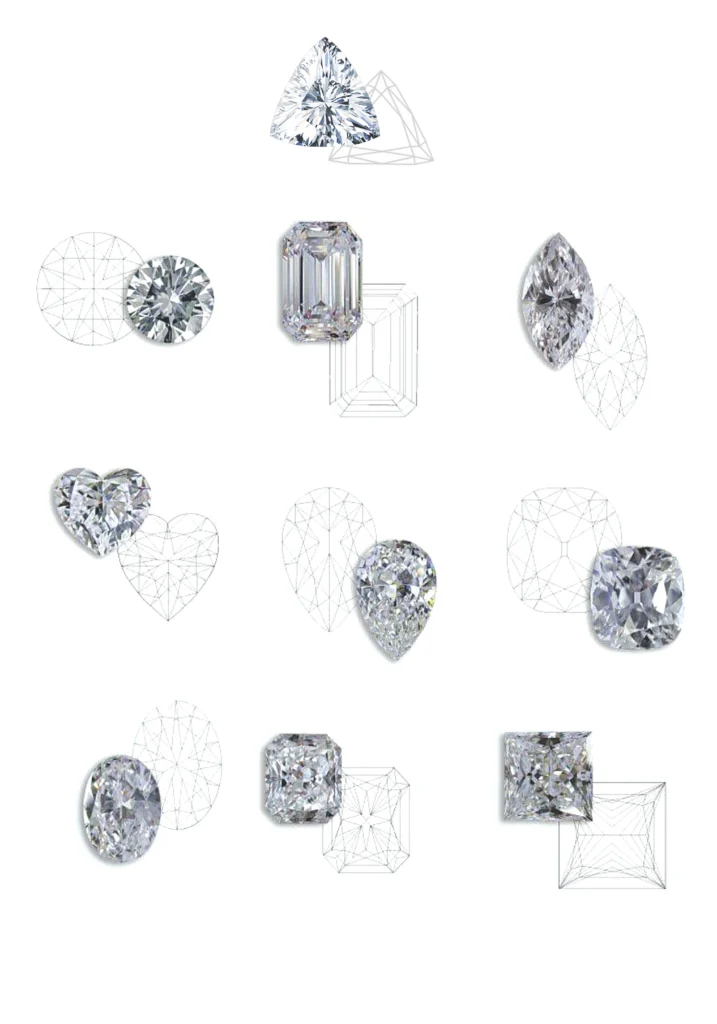
The first C is Cut: The Source Of A Diamond's Brilliance. A diamond's beauty begins with its cut.
More than any other characteristic, cut determines how effectively a diamond interacts with light, creating the sparkle, fire, and brilliance that make it truly captivating. Even a diamond with exceptional color and clarity can appear dull if it is poorly cut. Precision, symmetry, and ideal proportions allow light to enter, reflect, and return through the top of the stone, maximizing its visual performance. A masterfully cut diamond transforms light into a breathtaking display of brilliance and life.
THE SECOND C
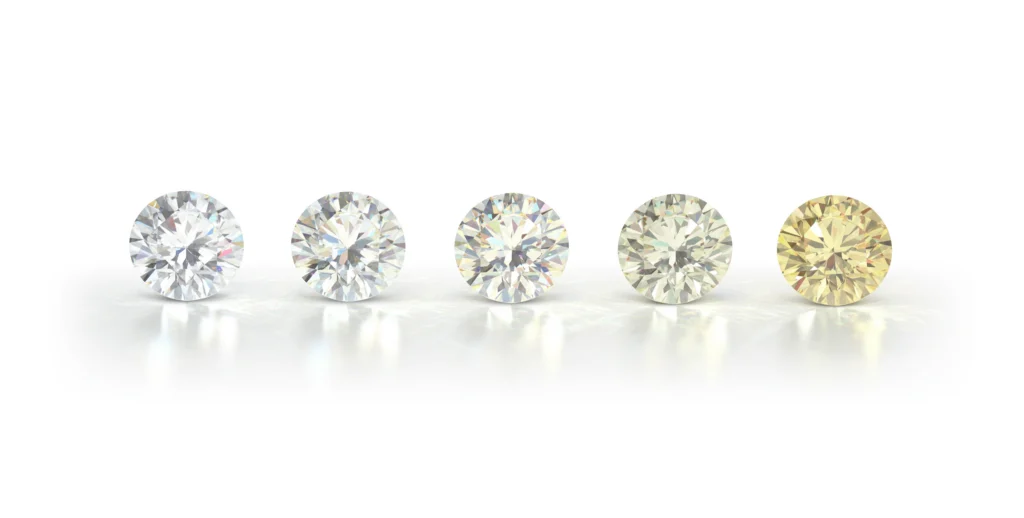
Color: The Purity Of Light
Diamond color measures the absence of color. The more colorless a diamond appears, the rarer and more valuable it becomes. Subtle variations in color can significantly influence a diamond’s appearance. Color grading ranges from completely colorless stones to warmer tones with slight hints of yellow or brown. Higher color grades often create a brighter and more luminous visual effect, enhancing the overall elegance and sophistication of the diamond.
THE THIRD C
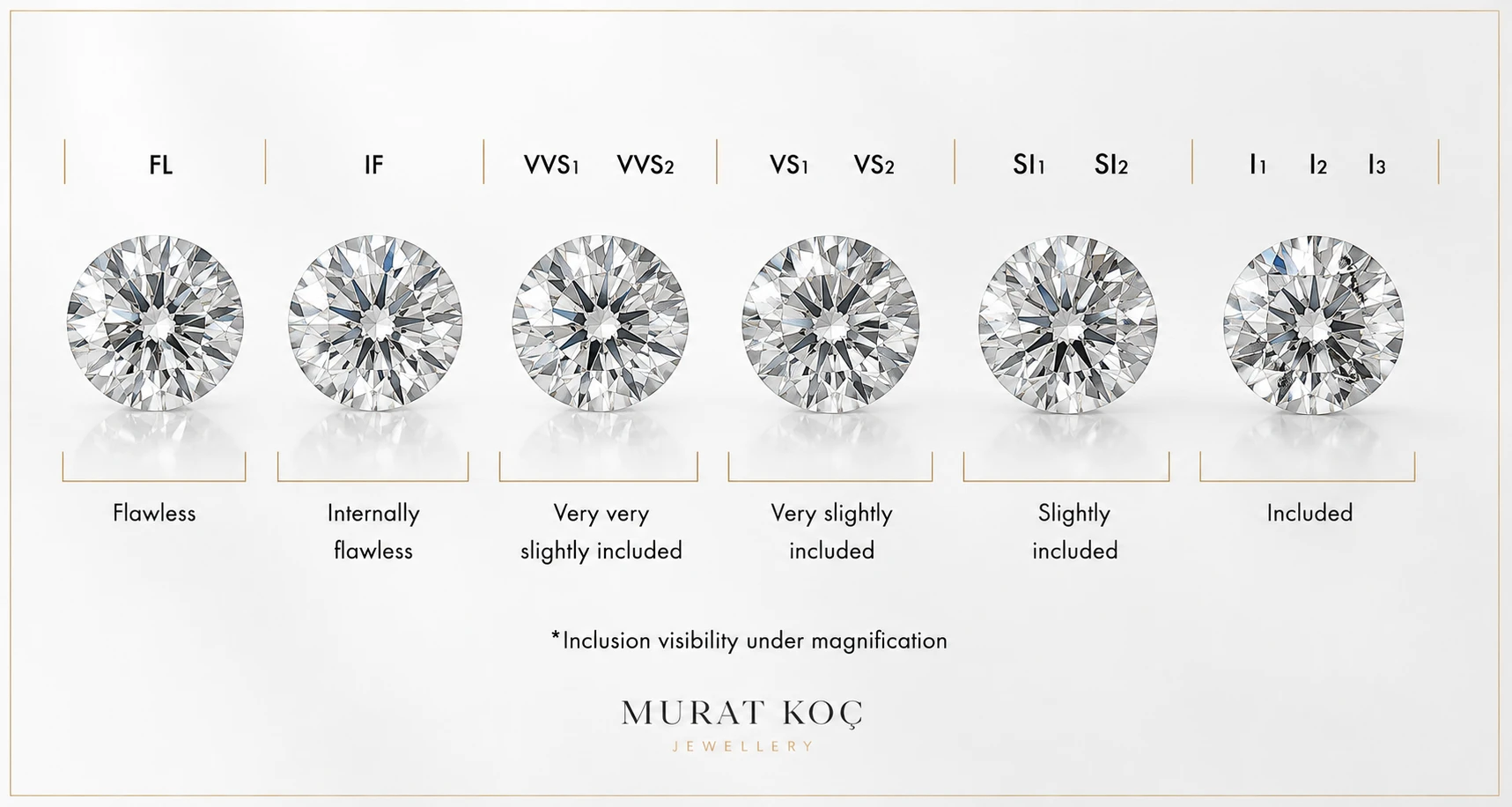
Clarity: Nature's Unique Signature
Every diamond carries a story formed deep within the earth. Clarity reflects the natural characteristics created during that remarkable journey.
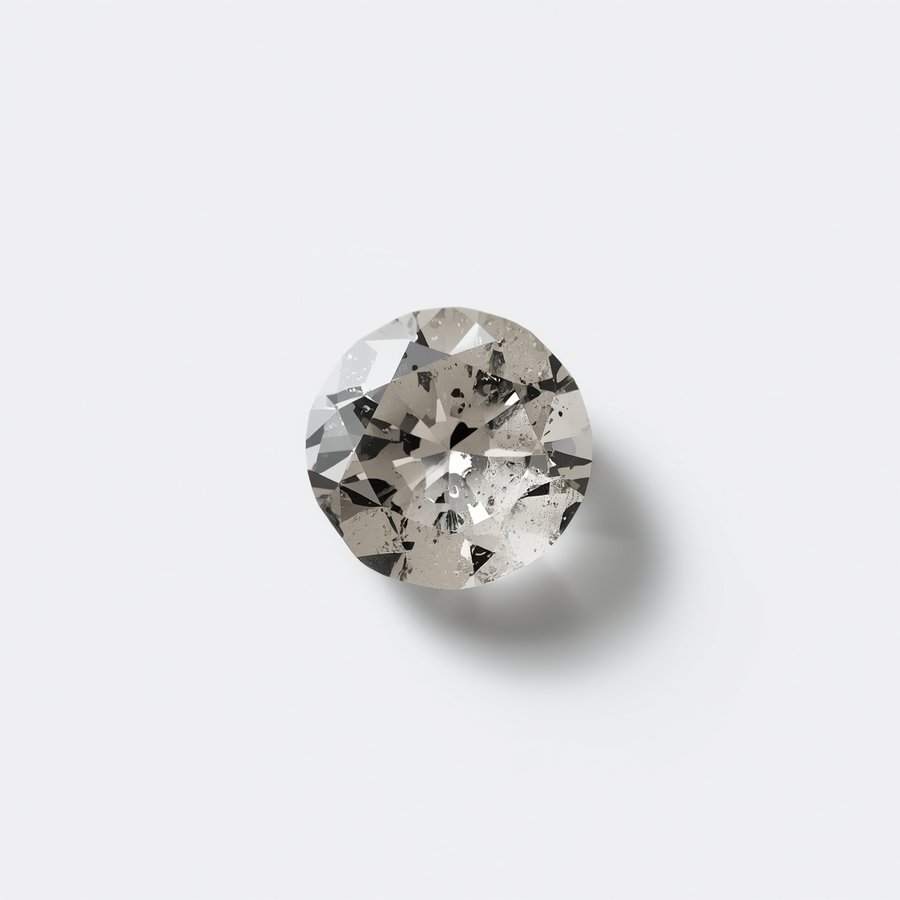
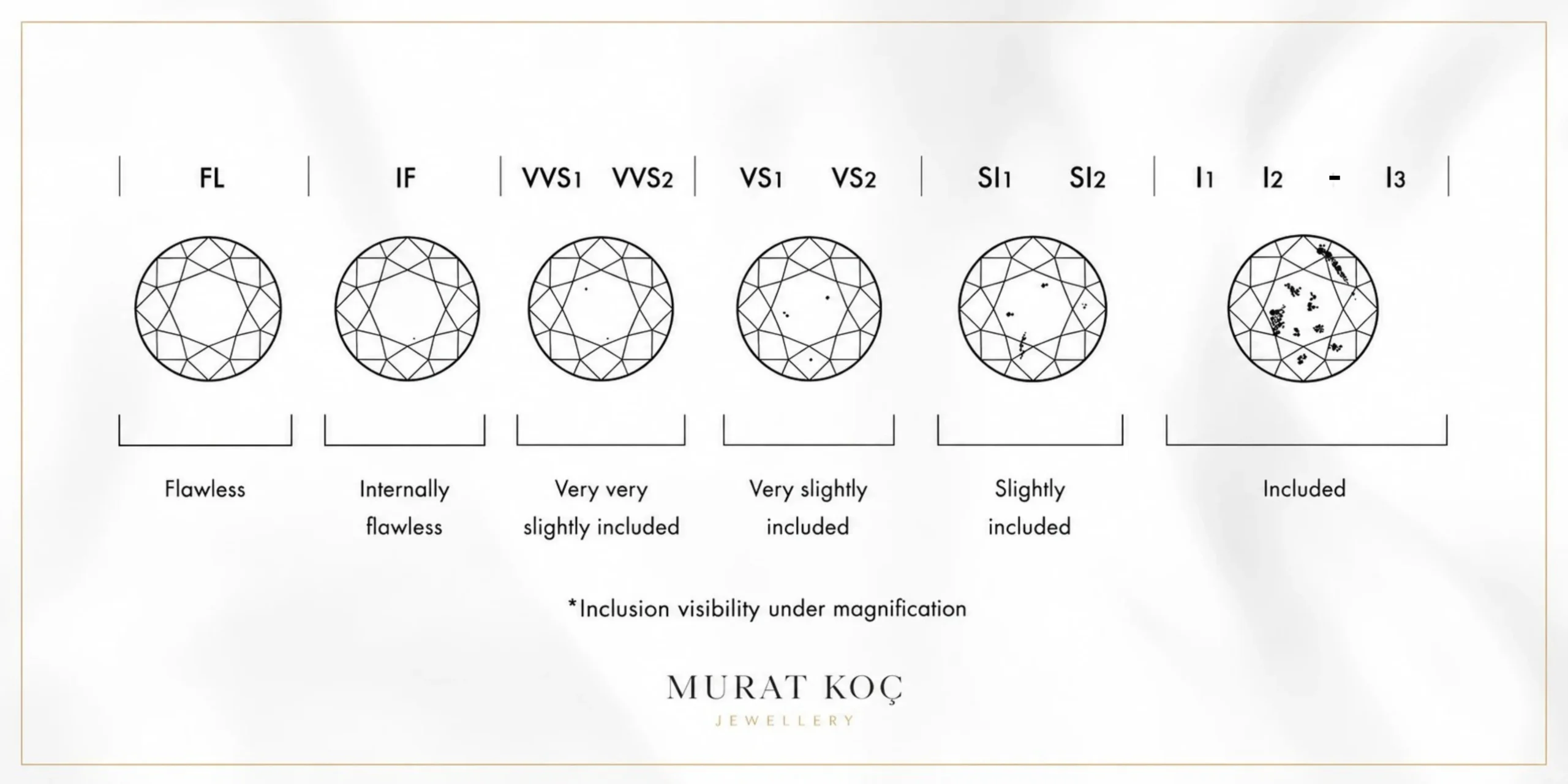
Internal features known as inclusions and external characteristics called blemishes are naturally formed during the diamond’s creation. While higher clarity grades contain fewer visible imperfections, many inclusions are microscopic and cannot be seen without magnification. These unique characteristics make every diamond one of a kind while preserving its beauty and brilliance.

Included (I1–I2)

Slightly Included (SI1–SI2)

Very Slightly Included (VS1–VS2)

Item #3

Item #4

THE FOURTH C
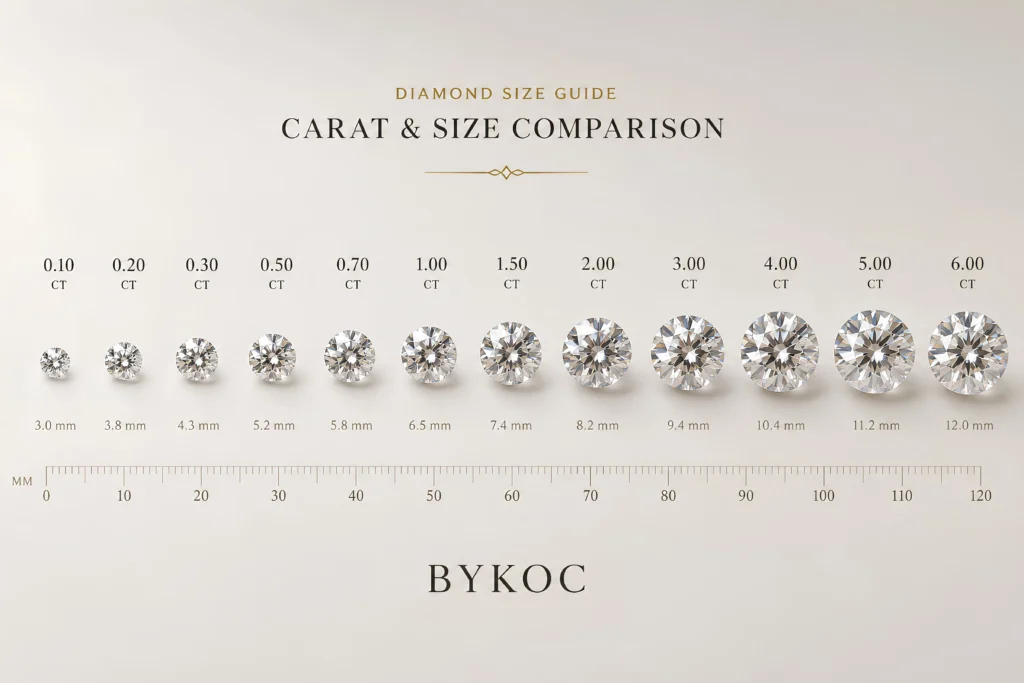
Carat weight measures a diamond’s weight
Larger diamonds are naturally more rare, making higher carat weights especially desirable. However, carat should always be considered alongside cut, color, and clarity. A well-balanced diamond with exceptional proportions and brilliance can often appear more impressive than a larger stone with lower overall quality.